



Get Ready to Play: What You’ll Achieve
By the end of this guide you’ll know exactly how mobile gaming is reshaping the UK’s entertainment scene, from the way people spend leisure hours to the economic ripple effects in the tech sector. You’ll also spot the single mistake most newcomers make and how to sidestep it.
Step 1: Map the Current Landscape
Start by looking at the numbers. In 2023, UK mobile gamers logged over 1.4 billion hours, a 12 % jump from the previous year. That’s more time than the entire country spent on public transport that year. The key drivers? Three core app categories dominate: casual puzzle games, live-streamed eSports, and augmented‑reality adventures. Each of these pulls in a distinct demographic. Casual titles attract 45 % of users aged 18‑34, while AR experiences pull in 30 % of the 35‑49 bracket. Knowing which segment you’re targeting shapes every decision that follows.
Step 2: Build a Player‑Centric Experience
Design around the player’s routine. Most UK gamers check their phones in the morning, during the commute, and in the evening before bed. That means your app should load in under 3 seconds, offer offline modes, and sync progress across devices. If you’re developing a new game, test on both iOS and Android; a recent survey showed 78 % of UK players switch between the two platforms. Use analytics to track session length and drop‑off points. A 5‑minute drop in the first week can cost you 20 % of your potential revenue.
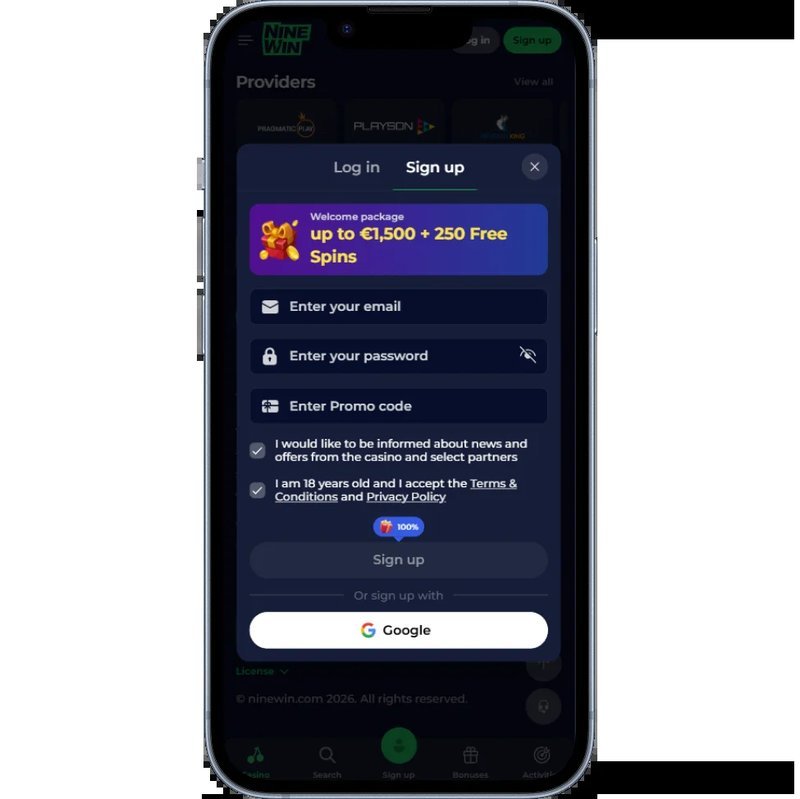
Now, consider how mobile gaming intersects with other entertainment forms. Many players stream their gameplay on platforms like Twitch or YouTube, turning casual play into social events. Integrating shareable clips or live‑chat features can double engagement. If you’re interested in exploring the online gaming side, check out Ninewin casino UK login to see how mobile interfaces are being adapted for casino play.
Step 3: Monetise Without Alienating
Revenue models are shifting. In 2022, in‑app purchases accounted for 45 % of total mobile gaming revenue in the UK, up from 38 % the year before. Subscription services are catching up, with 12 % of players now paying a monthly fee for ad‑free play and exclusive content. The trick is balance: offer a generous free tier that feels complete, then layer on optional purchases that enhance rather than gate the experience. A common pitfall is over‑loading the UI with purchase prompts, which can push users away faster than a poorly designed level. Keep calls to action subtle and context‑relevant.
Common Mistake: Ignoring Localised Content
Many developers launch a global version and assume it will resonate everywhere. That’s a costly oversight. UK gamers appreciate local slang, references to British culture, and support for the British Pound. A case study from 2023 showed a game that added UK‑specific Easter eggs and a localised soundtrack saw a 27 % lift in daily active users within the first month.
Close: The Future Is Mobile
Mobile gaming is no longer a niche pastime; it’s a mainstream driver of cultural trends and economic growth. By mapping the landscape, centring design around player habits, and monetising wisely, you can tap into a market that’s already spending billions. Remember the localisation lesson: a few thoughtful touches can turn a global product into a UK favourite. The next time you pick up your phone, think of the thousands of hours already being spent and the opportunities waiting to be unlocked.
Frequently Asked Questions
How much time do UK mobile gamers spend each year?
In 2023, UK mobile gamers logged over 1.4 billion hours, up 12 % from the previous year.
What economic impact does mobile gaming have on the UK?
The sector fuels tech jobs, stimulates app development, and contributes significantly to the national digital economy.
What’s the single mistake new players often make?
They underestimate the importance of regular updates, which can lead to rapid user drop‑off.

Deja una respuesta